 |
Vision | Projects | Blog | Articles | Awards | Order | Reviews | |









































|
December, 2022 At the start of the year I promised myself to focus on one game at the time. Yet, at the last month of the year I found myself working on no less than four (!) games. First, I had to complete my new components and rules for next year's Fastaval submission Glasnost. To improve the game's table presence I decided to add a game board and on recommendation from fellow designers I replaced the voting tokens and bags with simpler voting cards. This also required a revision of the rules, including a slight change to allow policy changes not only after unanimous votes but also after successful purges. 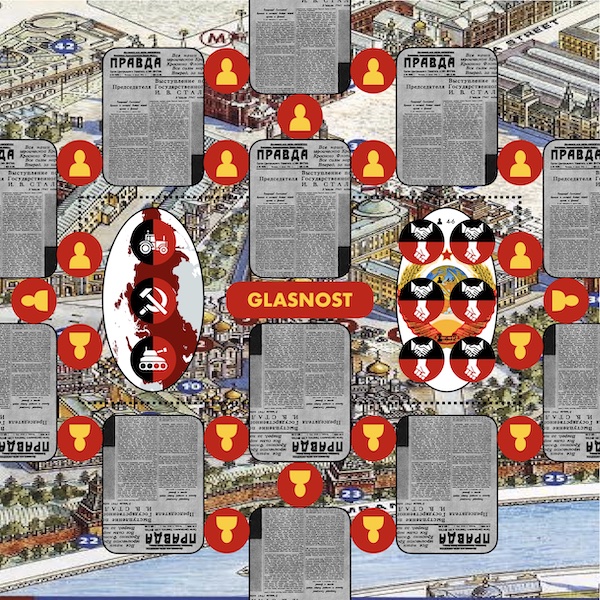
I also published the game at Tabletopia in case anyone has the time to test it. 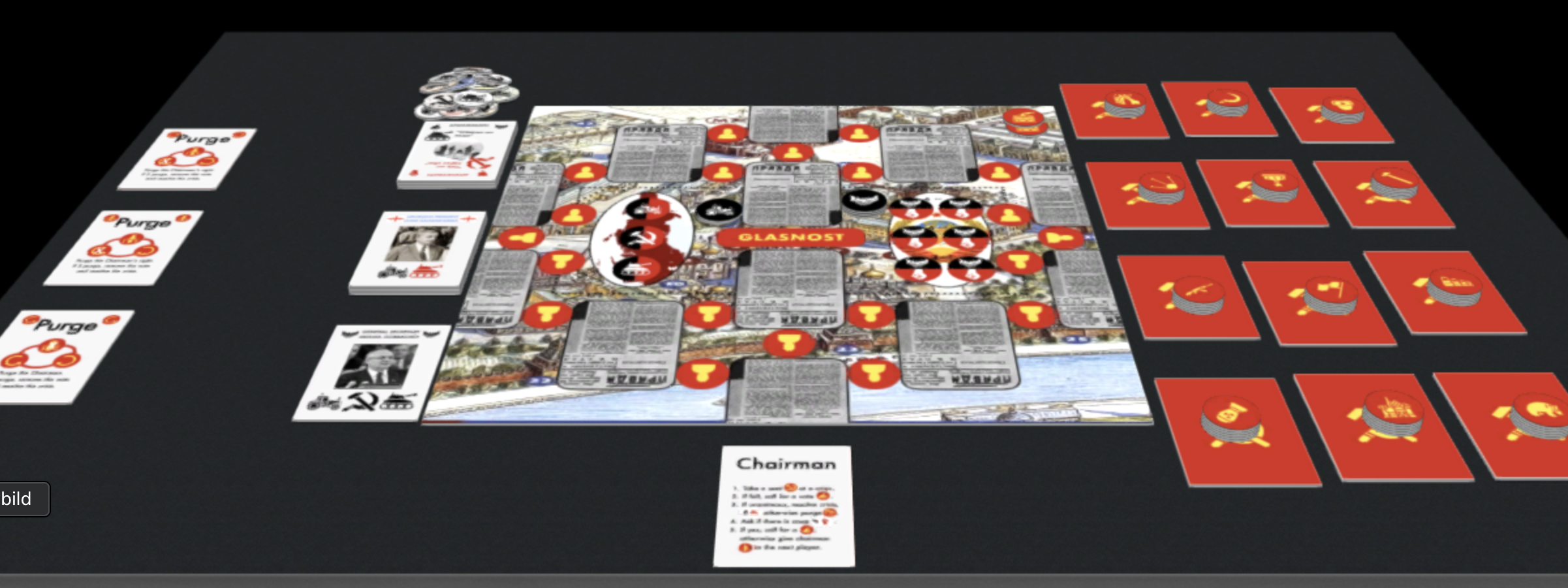
Second and third, I had to send Politeia and Find the Treasure to the WODC Contest, which meant I first had to order new components for the updated versions from Spielmaterial. (I took the opportunity to order components for Foundation as well, if I ever get time to return to that game.). In addition, they wanted some information, images and videos for an online advertising campaign, which I had to prepare and provide. Fourth, I learned about a scholarship for developing a boardgame about the World Heritage city of Karlskrona. I have been thinking about a boardgame about the birth of Stockholm and the scholarship requirements gave me the last pieces of inspiration I needed. To include characters and events, a deck-building mechanic is suitable (and interesting, since I haven't done this before) and to include buildings, a combination of shared infrastructure and worker placement is suitable. Whether my application is approved or not, this is an interesting idea worth pursuing. 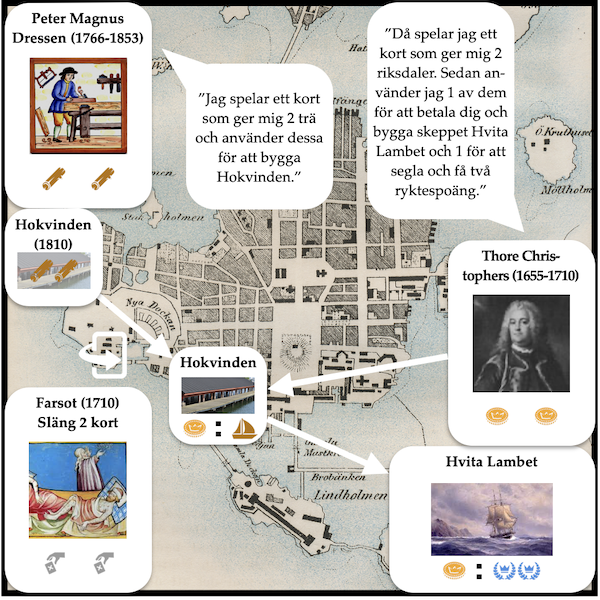
November, 2022 Finally I got time to complete the rules and print & play for Foundation and "lay the foundation" to the game's homepage. Unfortunately I didn't have time to print the components for a test so instead I dusted off old Apokalypsis. I didn't have time to test the new open card variant but the new rescue rule was well received. It was also clear that the new "smaller" omen cards with smaller segments only prolonged the game and made it more difficult to see overlapping tiles. A quick retest with the old "bigger" omen cards confirmed that they played better. 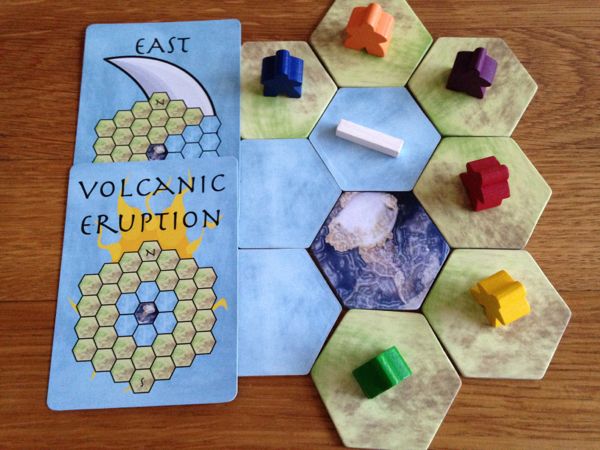
I was also happy to add the complex but thematically interesting game John Company to my collection. It may not help me with my own game designs but it'll certainly stimulates my History interest as the designer's previous game Pax Pamir did. Another happy game experience was my rating rise above 2000 at chess.com. Last but certainly not least, it turned out that both my submissions to the WODC Contest together with Politeia reached the semi-finals! 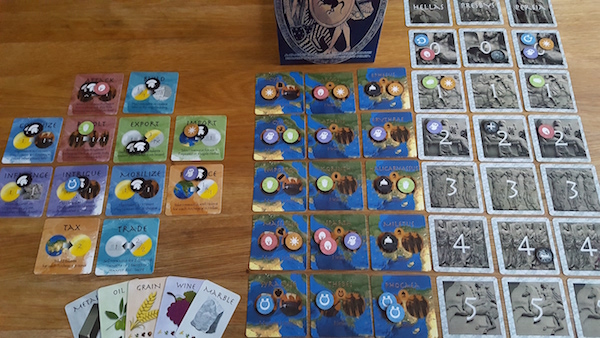
October, 2022 October saw a lot of chess games as my club played several times and I also started playing more actively at chess.com, aiming at reaching a chess rating of 2000 (almost there!) and problem rating of 3000 (made it!). It does reflect the change in my gaming preferences from discovering new games to exploring old games. This also means even less time and energy for designing new games but I keep attending designer meetings to run tests at two occasions. The first test concluded that Foundation's economic system works well but the master-novice action system with its positive bumps remove slightly too much control for my taste. My next idea is a parliamentary action system, partly inspired by the castle in Viscounts of the West Kingdom, where you bump your own action tokens. I've also completed a draft of all the other rules, including all special planetary benefits and a simple Empire AI system where the players move one unit along predefined paths at the end of their turns. Hopefully I'll have a new prototype ready for test in November. 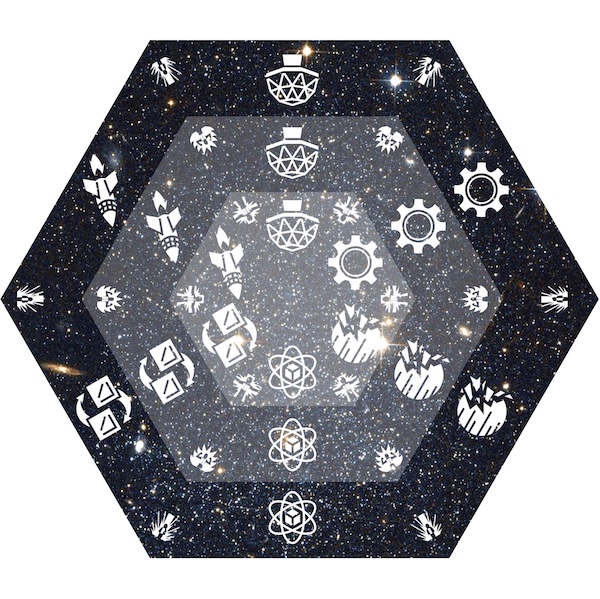
The second test was covered by SVT for a documentary for the cultural news. I decided to test a simpler game then, Find the Treasure: The Card Game but did get an important conclusion: it's more fun to search for specific treasures and find them often than search for any treasures and find them seldom. The result was a simple rule change where the players get more treasure cards and where the objective is to find one of each gem type instead of the most gems. Find the Treasure: The Card Game was also this year's submission to the WODC Contest together with Politeia. September, 2022 September provided an opportunity to demonstrate Glasnost at the convention Hexacon. The game did attract much interest but it was actually another game that got played and even sold: the old classic Cosmoclasm. 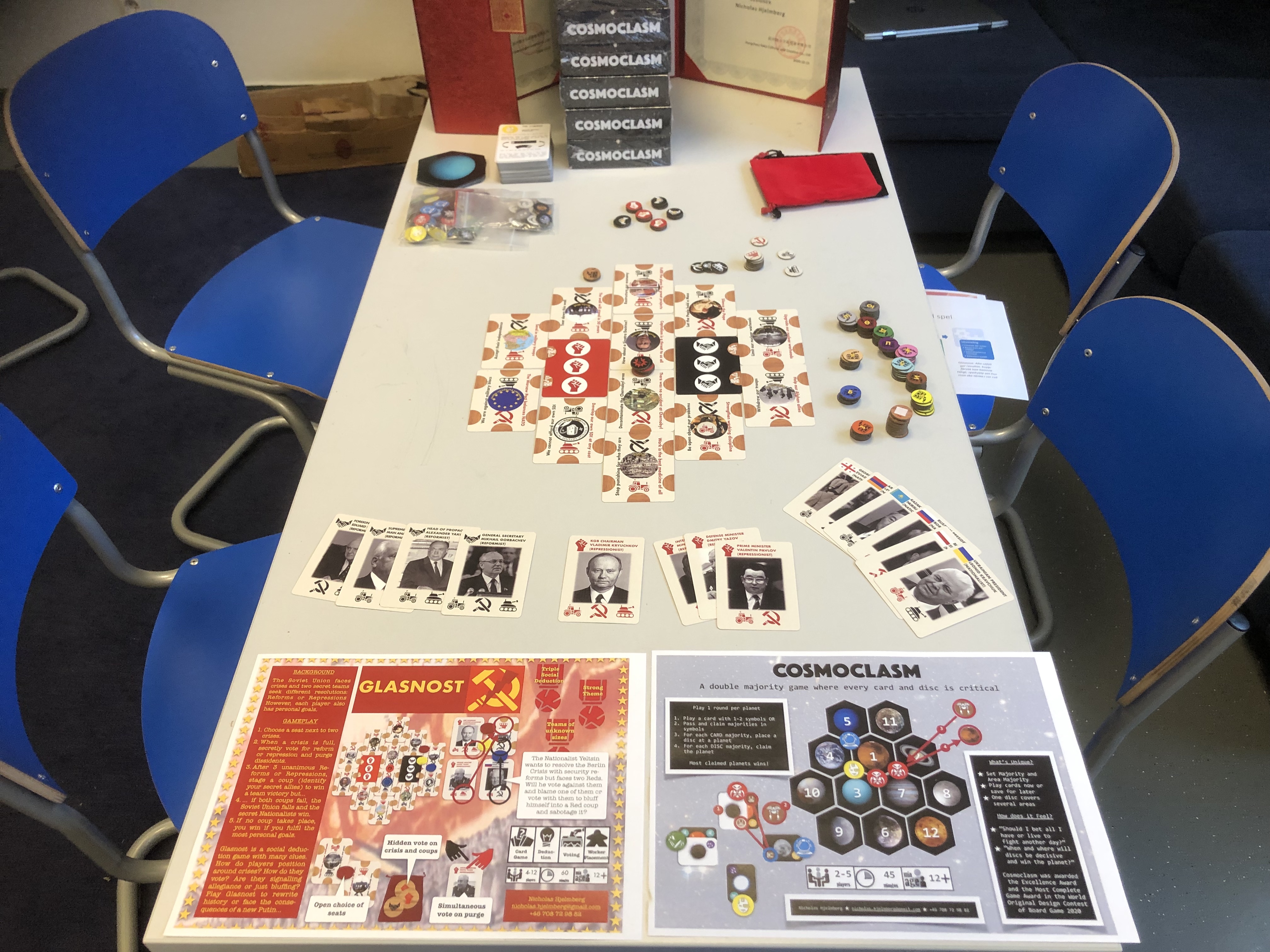
Another game that came to the table was On Shelf during a conference at Systembolaget. Although I would like to have even simpler rules, the game works and entertains so perhaps I should "shelf" it ad proceed with a warehouse version, focusing on efficient logistics. 
Finally my best-selling game Find the Bug! reached its happy buyer in the Netherlands as shown by this post at LinkedIn. 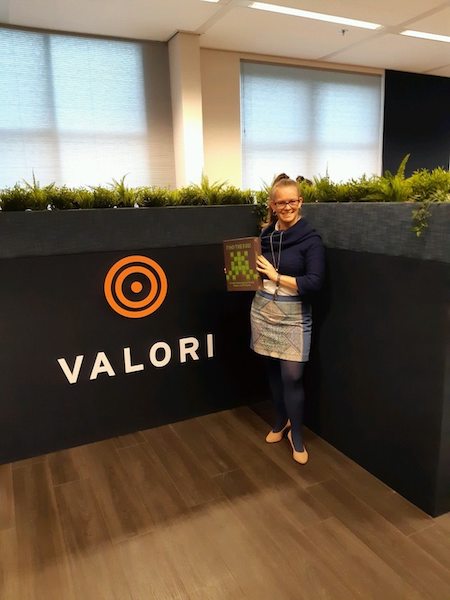
Nevertheless, I did find some time for my new idea Foundation and finished the first drafts for the game board and the action board. It looks goods so far and I hope it plays even better! 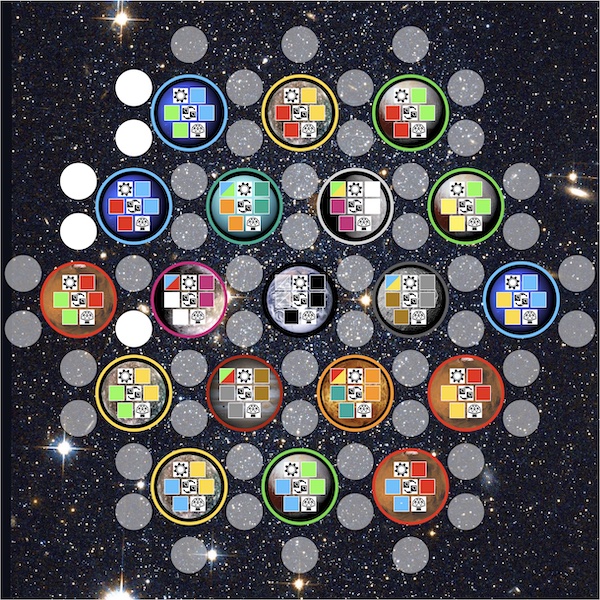
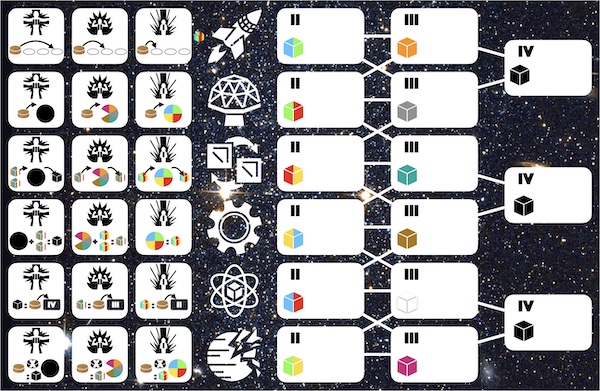
When it comes to other designers' games, I continued the trimming of my game collection by clearing out Realm of Sand, Mykerinos, Principato, Merchants of Amsterdam, Olympos, Firenze, and Imhotep. August, 2022 It's been a while since inspiration struck me but this summer it finally happened. For the last year I've mainly worked with developing old ideas (like Globalization) and games (like Politeia) but this idea is something new. Perhaps the summer vacation helped clear my mind, perhaps it was the relief after finally having completed my other game projects and ordered prototypes for them. Anyhow, the new game idea is Foundation, a game loosely based on Isaac Asimov's Foundation series (although I'll have abandon those references, since the series are still copyrighted) using mechanics like worker placement with positive "bumps", pick-up and delivery of upgradable goods and tech tree for unlocking stronger actions. 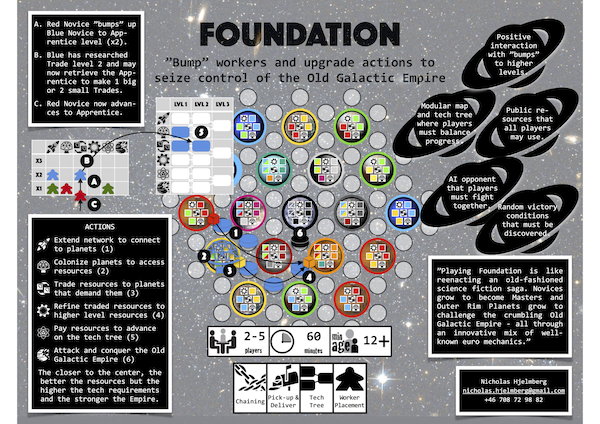
In fact, I had so much confidence in this idea that Foundation became one of my submissions to next year's Fastaval, where Politeia featured this year. Unfortunately, the judges didn't share my confidence but they did believe in my other submission, Glasnost, so perhaps there will be another visit to Denmark in 2023. 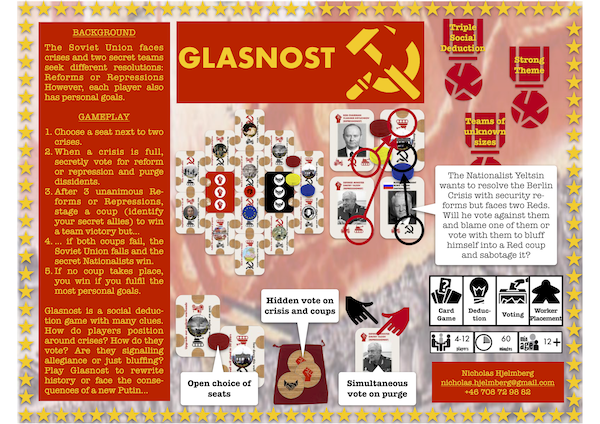
I was also happy to record yet another sale of my best selling IT game Find the Bug!. 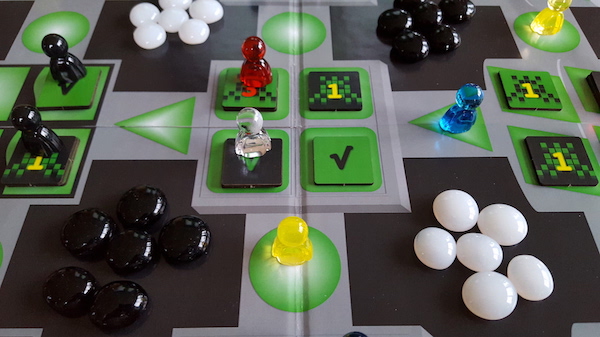
I also got to test On Shelf with colleagues at Systembolaget. The test saw more simplifications as some seldom used action cards (most notably Training) was removed but also a spatial dimension as Spillage leaves drop tokens on shelf spaces and block them until cleaned away. There may still be room for simplifications but the game does feel mature and suitable for the target audience: colleagues at Systembolaget. 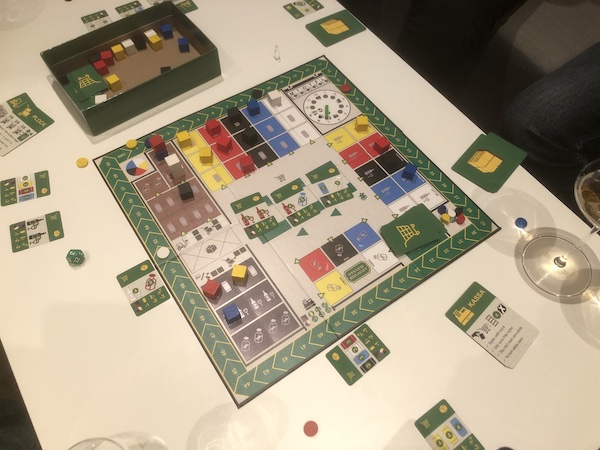
Finally, I added two interesting games to my collection: Pax Pamir, with an interesting mechanic for forging and breaking alliances with non-player powers (traded against the just received Carnegie, which I think is good but not unique enough to learn from) and Pipeline, where resources are refined based on the length of your pipelines. July, 2022 Finally vacation and time to work on games! Well, time to do other things as well, such as start playing chess online at chess.com to get some well needed match experience. I was also happy to receive my first ever BGG Contest Prize: a copy of Crescent Moon. I'm normally not a fan of asymmetric negotiation games but the interdependency between the players, where allies both may contribute with different things and reap different rewards, is quite interesting. Whether it'll inspire any new games remains to see but Crescent Moon did become the topic of my latest review. One additional game design challenge turned out to be my computer upgrade. With Apple's switch to 64 bits, several applications ceased to work. Among them PowerPoint, which I used for my images and videos, meaning I'll have to switch to Apple's own Keynote. Nevertheless, I did get time to finish the rules and the print & play files for Globalization. Now only the video and the test games remain... June, 2022 After the work on On Shelf, I shifted focus to one old and one new game. The old game was Politeia, which got some simplifications based on feedback from Fastaval 2022. The supply/demand price mechanic for trade was replaced by a fixed price while the building action discount mechanic was removed altogether and gave room for a separate Grow action for growing in already populated cities. Other simplifications included the removal of battle/revolt/intrigue rewards. This version of Politeia focuses on the core mechanics of mancala action selection and timely area majorities. With that the development of Politeia is completed for now and the game will be shelved, although it may be submitted to future contests. Nevertheless, I was happy to sell one copy to an interested fellow designer as well as a copy of Cosmoclasm to an interested colleague. The new game was Globalization. After a lot of Excel simulations, I finally came up with market levels that provided the game arch I aimed for. The trick was to set up scenarios for different numbers of companies and compare the profits at different markets.
The trick was to have diminishing returns in the industrialized markets so that the increased production would eventually find better returns in the developing markets. With that done, I finally placed an order with The Game Crafter and look forward to many game tests after the summer. May, 2022 The motto that a game is never ready was proved by On Shelf's test games. The game worked very well as a tactical "victory point salad", where every player's action opened or closed an opportunity for the next player. However, I was worried that it would feel too mathy and although testers from the target group (store employees) played intuitively without min-maxing their victory points, I was worried that the rules for actually adding up all victory points would be perceived as too complicated. But how else could store jobs be rewarded? The solution came to me after a discussion about how the many different resources often used in eurogames replace tedious calculation with simpler matching of symbols. I realized that On Shelf already had a matching mechanic for matching items with customer requirements, a mechanic that the testers liked the most, so why not put more emphasis on this? Instead of getting customers cards at the start, the player may simply earn them from playing store jobs. This solution was not only tested with great success but also inspired another reduction of mathematics, namely replacing negative points for spillage with blocking of shelf spaces. Again, mental calculation wasreplaced by matching, in this case between items and spaces. I guess the lesson is to keep looking for simplifications, even if something works.
Naturally, this left little time for my other games but I look forward to applying this simplification principle to them. April, 2022 Fastaval 2022 is over now and although Politeia didn't receive any prize, some players really enjoyed the depth of its unique action selection mechanic, one so much that he wanted a copy of the game. Fastaval was an interesting but exhaustive experience. Hobro in Jylland is isolated (10 hours by car and/or ferry) and expensive (the DKK is 40% more expensive than the SEK, which reflects how much more expensive things are in Denmark). The game sessions were held in a big and noisy room, which made it hard to explain rules and hear other designers' rules explanations. I had also hoped for a permanent table where the games could be demonstrated and played instead of only three scheduled slots. The result was that the designer games were mainly played by designers while the rest of the visitors played other games. 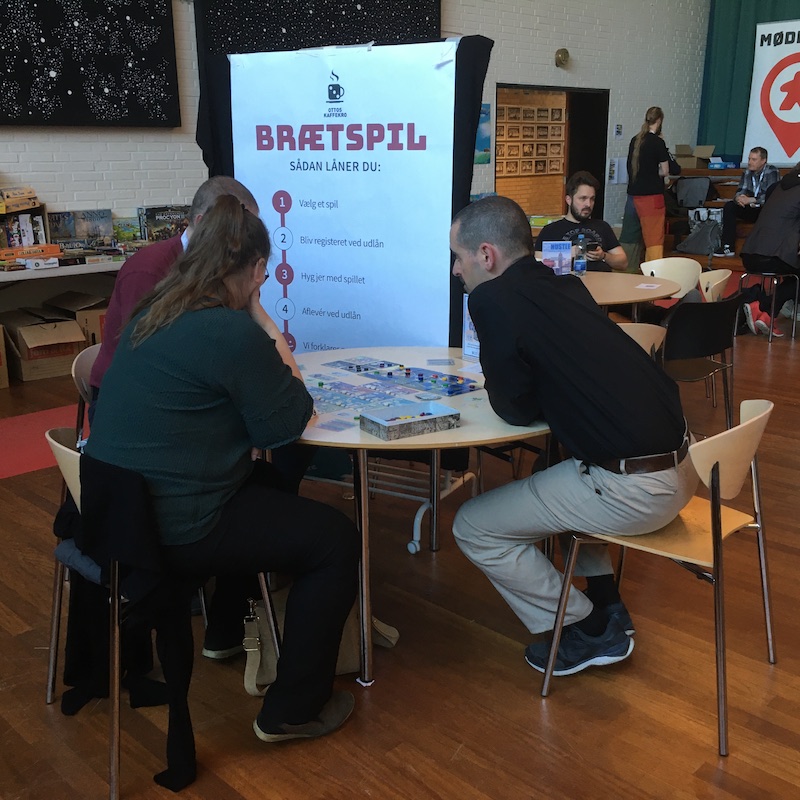
The experience also highlights a problem with the games I like to play and design. They are not meant to be mainstream games which many players find OK but rather unique that a few players like a lot. As such, they are not well suited for conventions where they don't get the time and plays to find those few players. After Fastaval, I proceeded to improve the graphics of On Shelf for the next round of game tests. One outstanding question is whether I should use fixed events (printed directly on the board) or random events (drawn from a deck of cards). The latter adds to the production cost and makes things less predictable but they also reduce the perceived complexity (the events don't have to explained in advance) and increase the perceived variability (different games will see different events). The event deck also has the problem that some events are thematically linked to certain hours of the day. I guess only further tests can tell. When On Shelf can be shelved (pun not intended), I hope to proceed with Globalization as I got a new idea for the turn order mechanic. Instead of a time track, a ronder similar to games like Imperial is both simpler and more elegant as the companies now may choose whether to move slowly (with a lot of investments and expansions) or quickly (with a lot of production). I also had time to complete my series of review of classic Swedish game with the perhaps most famous of them: Drakborgen. Although this game has few decisions and a lot of randomness, it does manage to keep the players in suspense and deliver a fun experience. Drakborgen may not be my first choice nowadays but it certainly has design lessons to teach. 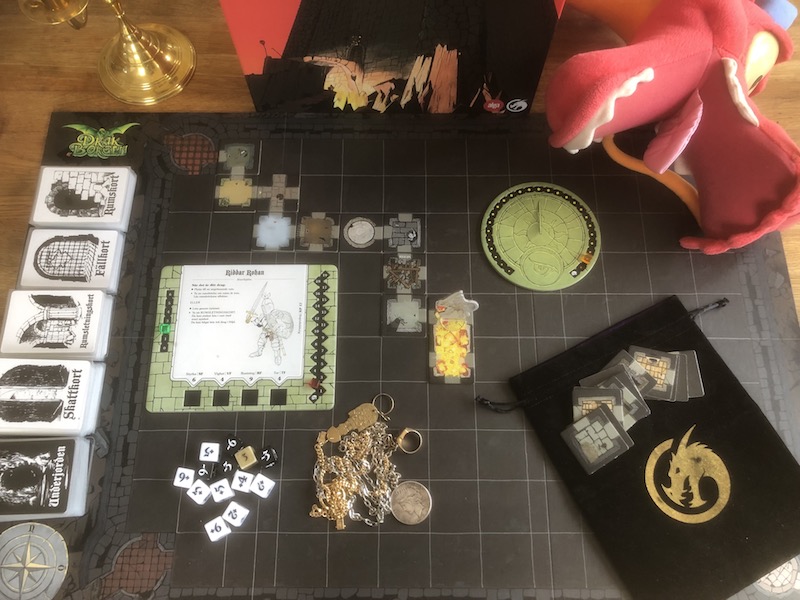
Randomness did, however, seal the fate of Castles of Burgundy as it had to leave my collection. For the first time I've managed to actually trim my game collection and, which still contains more games than I have time. March, 2022 With Politeia sent to Fastaval, I turned my attention to On Shelf. The first tests turned out to be very successful with a lot of laughter and recognition, both among fellow designers and Systembolaget colleagues. 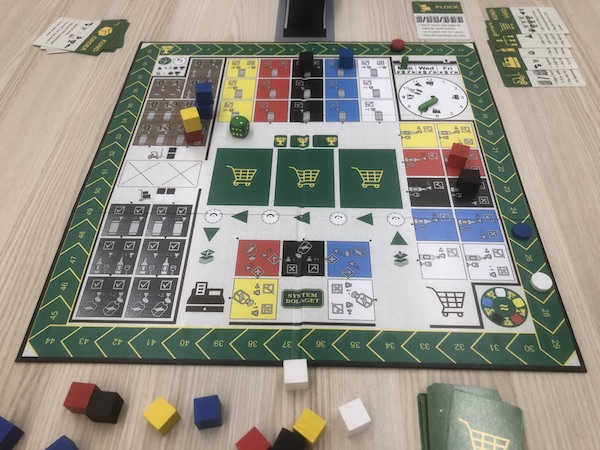
An interesting learning from the game was that my artistic attempt to let functional graphics blend seamlessly with the background graphics made me forget an important game design principle: consistent terminology. The result was that victory point indicators not only looked different at different components but also that they often were hard to distinguish. There is still much to learn about game design... 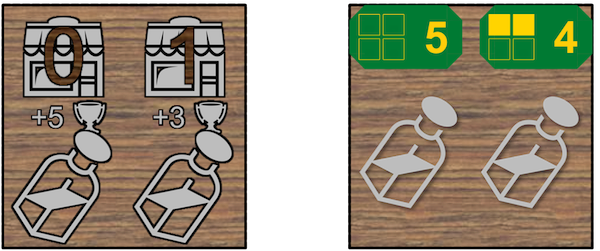
As usual, I published my game design process for The Shelf in my Boardgamegeek designer blog "In the mind of a game designer". Another Boardgamegeek publication was the year's third review of yet another Swedish classic game: Svea Rike. I remember not seeing this game until after I designed my thematically similar Mare Balticum and wondering whether they were mechanically similar too. The answer no and although I like the history-telling aspect of Svea Rike as a gamer, as a game designer I don't expect to learn much from its randomness.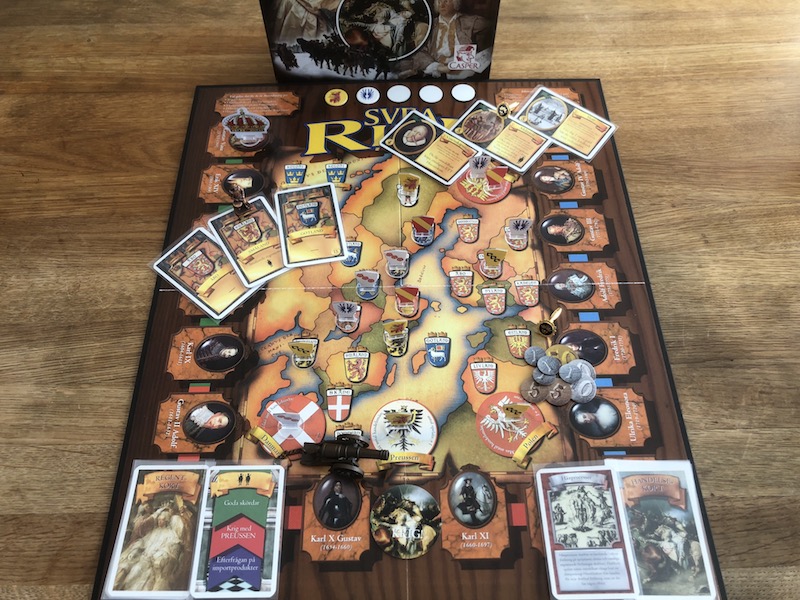
Speaking of story-telling games, another old game got some love as Knights & Damosels caught the interest of a buyer in the USA. That's probably the closest I've got to a story-telling games. 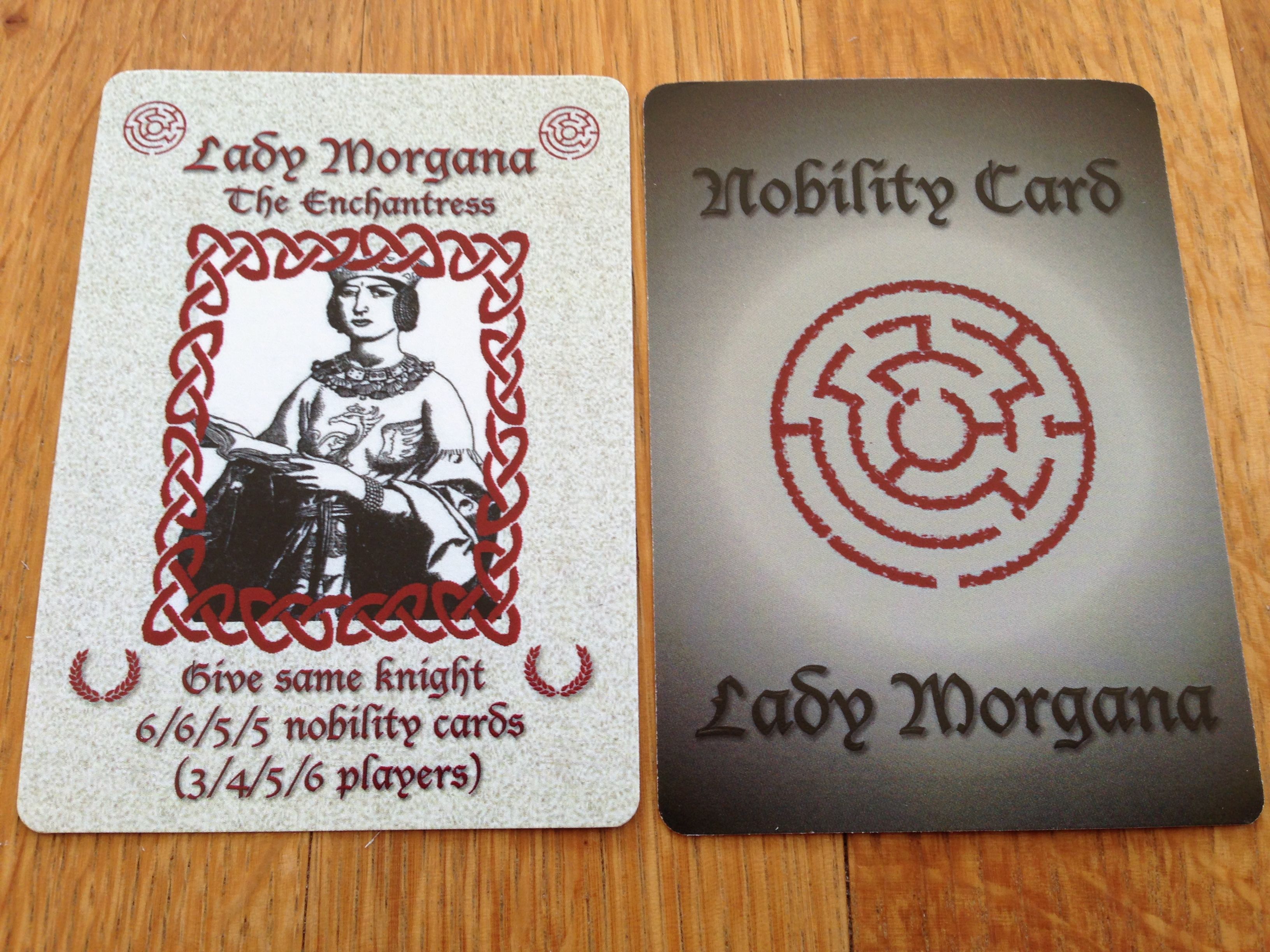
Finally I continued to refresh my boardgame collection as Blue Lagoon (interesting but inferior to Through the Desert) was traded for Firenze (inferior to The Palaces of Carrara but at least more unique). February, 2022
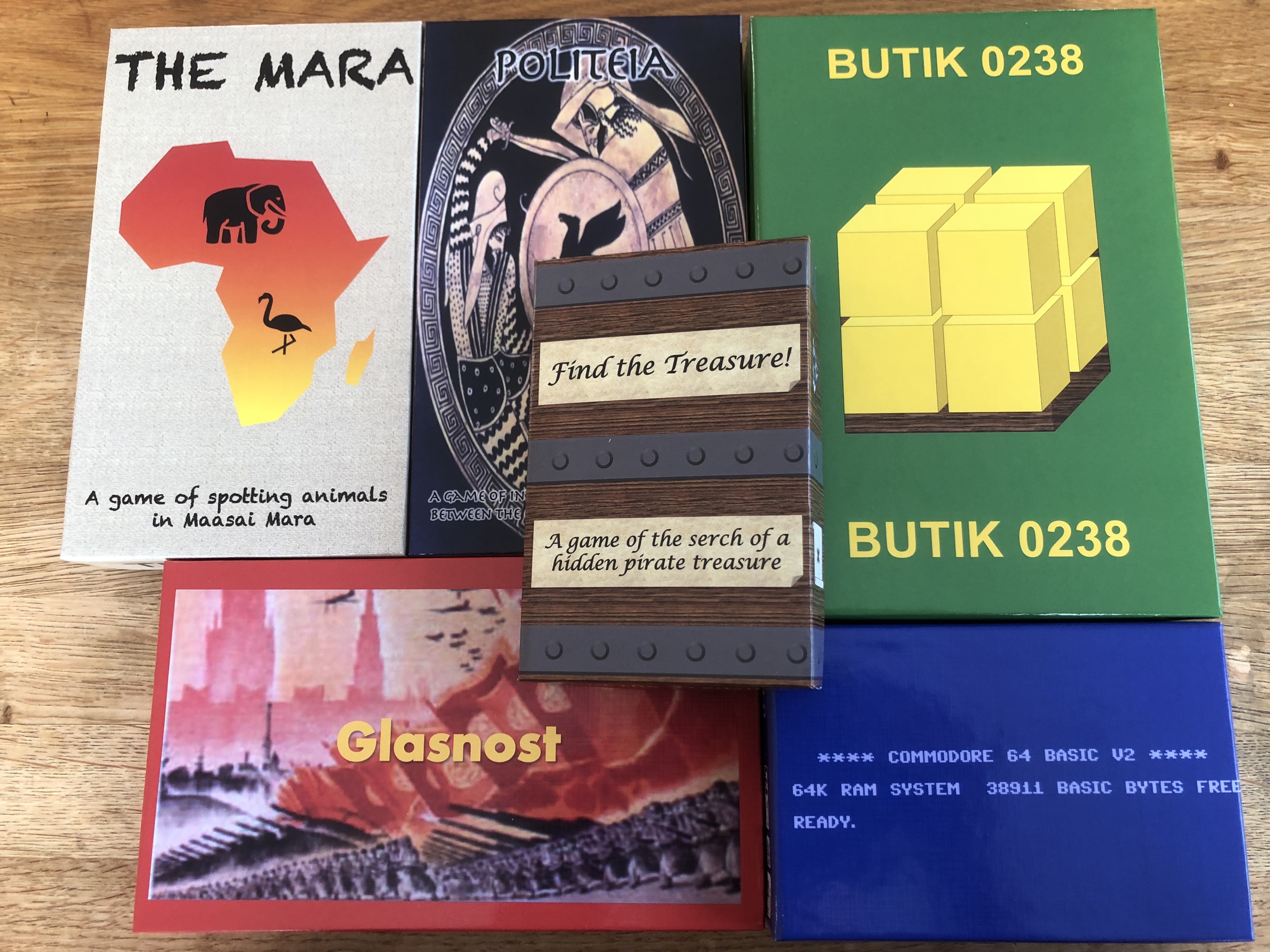
Perhaps the best birthday gift arrived from
The Game Crafter when the new
edition of Politeia arrived together with
our latest games Find the Treasure - The Card Game,
C64 Board, Glasnost,
The Mara, and On Shelf. There will be
plenty of games to test. This is particularly true for the latter game, On Shelf, which under the
name "Butik 0238" has aroused interest among my colleagues at the source of the game idea:
Systembolaget.
With that delivery, I was able to resume my designer blog "In the mind of a game designer" with an entry for Designing The Mara. I also managed to continue my streak of reviews this year with a review of one of my favorite games Wildcatters. This game has many lessons to teach about how to build a long and rather complex value chain covering all the steps from prospecting to marketing, lessons I hope to learn from when I get time to return to Globalization. 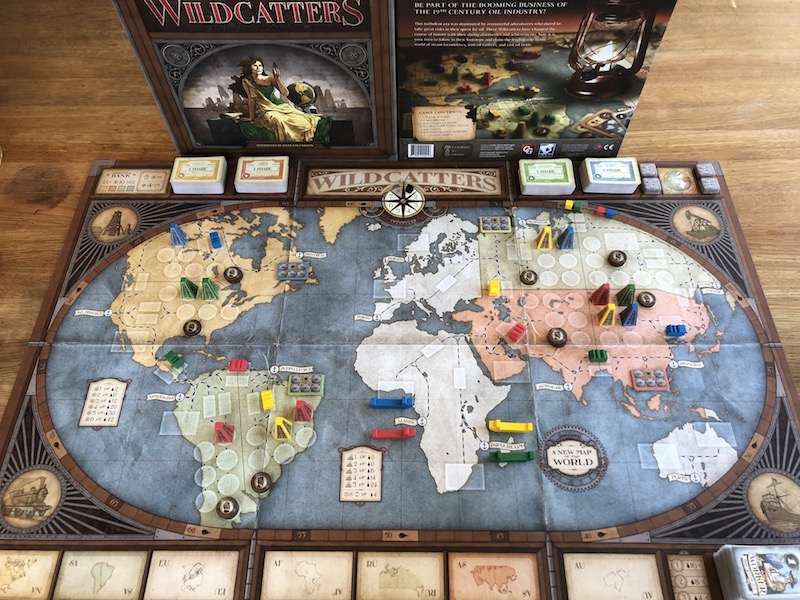
Several other games made it to the spotlights this month. Cosmoclasm turned out to be sold out at Science Fiction Bokhandeln and both Christina Regina and Christina Regina - The Card Game found their way to a buyer in the USA. 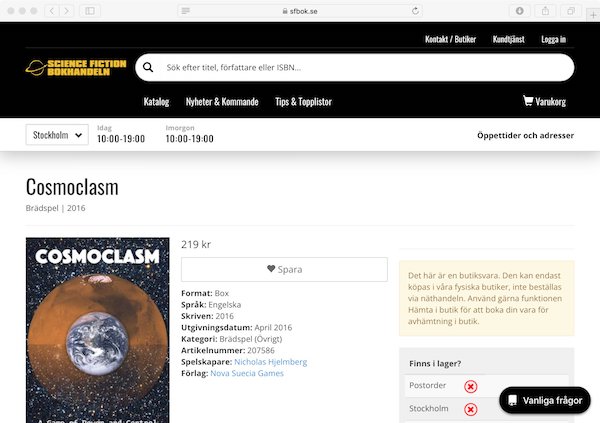
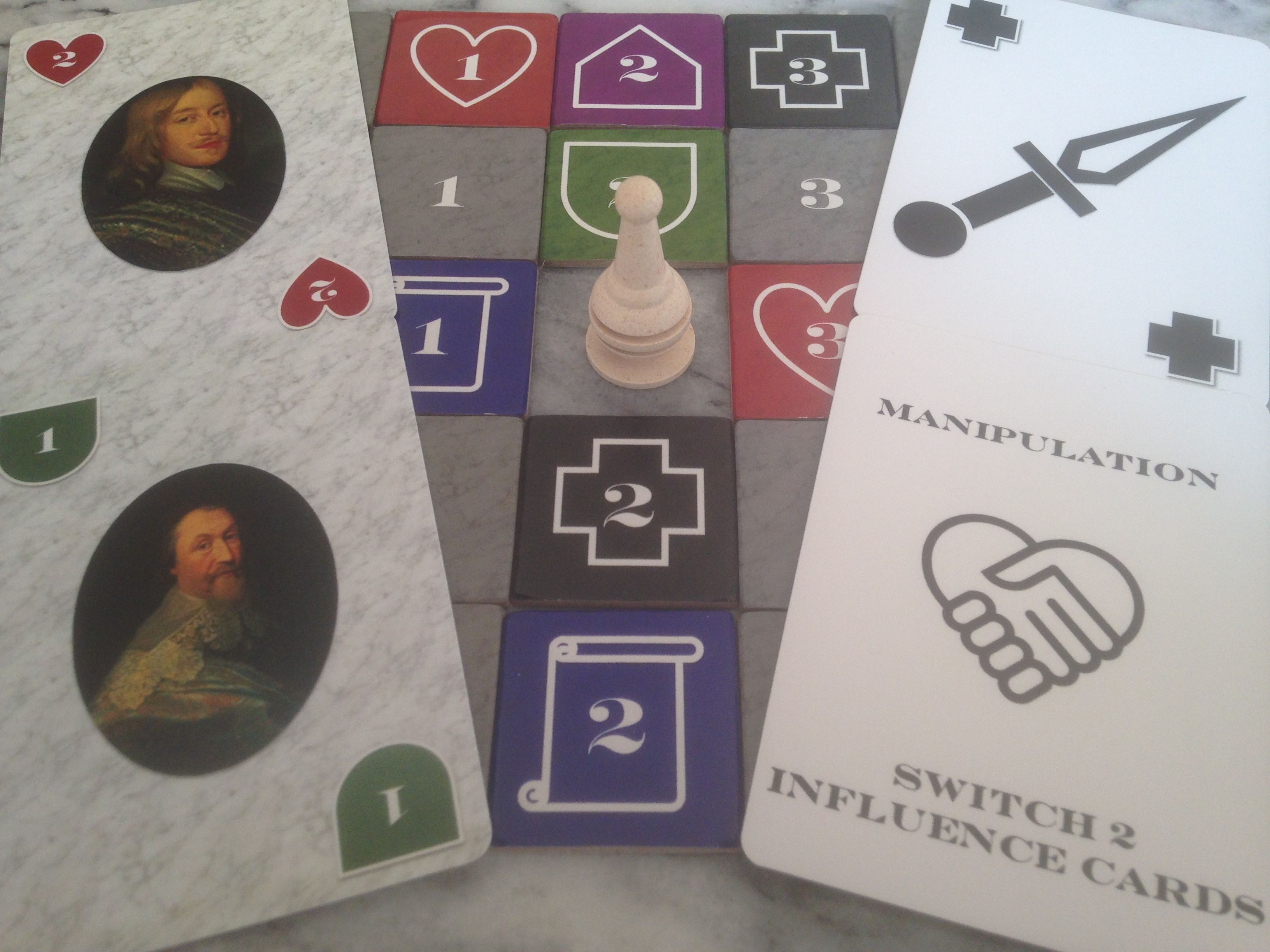
My own game collection saw some changes as Ostindiska Kompaniet was replaced by another classic Swedish game, Svea Rike. I also sold Tower of Babel (again) and Keltis and used a gift certificate to acquire Brian Boru. The latter does have some similarities with my own Politeia, where an innovative action mechanic (in this case drafting and trick-taking) is used to manipulate majorities on a board. January, 2022 After the many months' of final tuning and tweaking of Politeia, the game felt good enough to order from The Game Crafter. I also took the opportunity to add Find the Treasure - The Card Game, C64 Board, Glasnost, The Mara, and On Shelf to the package as well as some updated components to Nova Suecia, Apokalypsis, and Explorers & Exploiters. There will be plenty of games to work with after Politeia... While waiting for Politeia to arrive, I updated its video and will have to update other sections as well, such as the Game Design Notes and the Strategy but one thing at the time. I also wrote the first of hopefully many reviews this year: The classic Swedish game Ostinidska kompaniet. There may not be much to learn from this game but it was interesting to see how much mechanics have developed during the 30 years that have passed since it was designed. 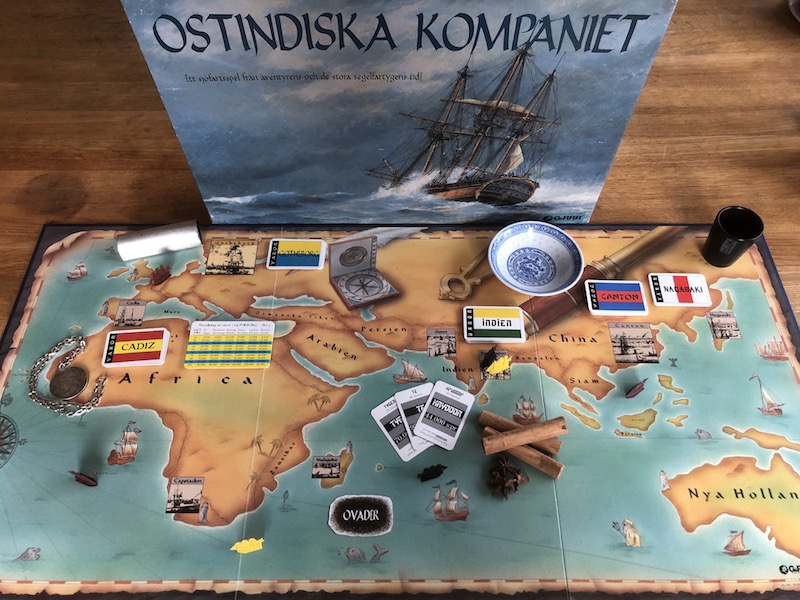
Finally, on the last day of the month, I was happy to record yet another sale of a game in the populuar Comrade series, this time the original Comrade itself. Perhaps I should give those social deduction micro game a chance? 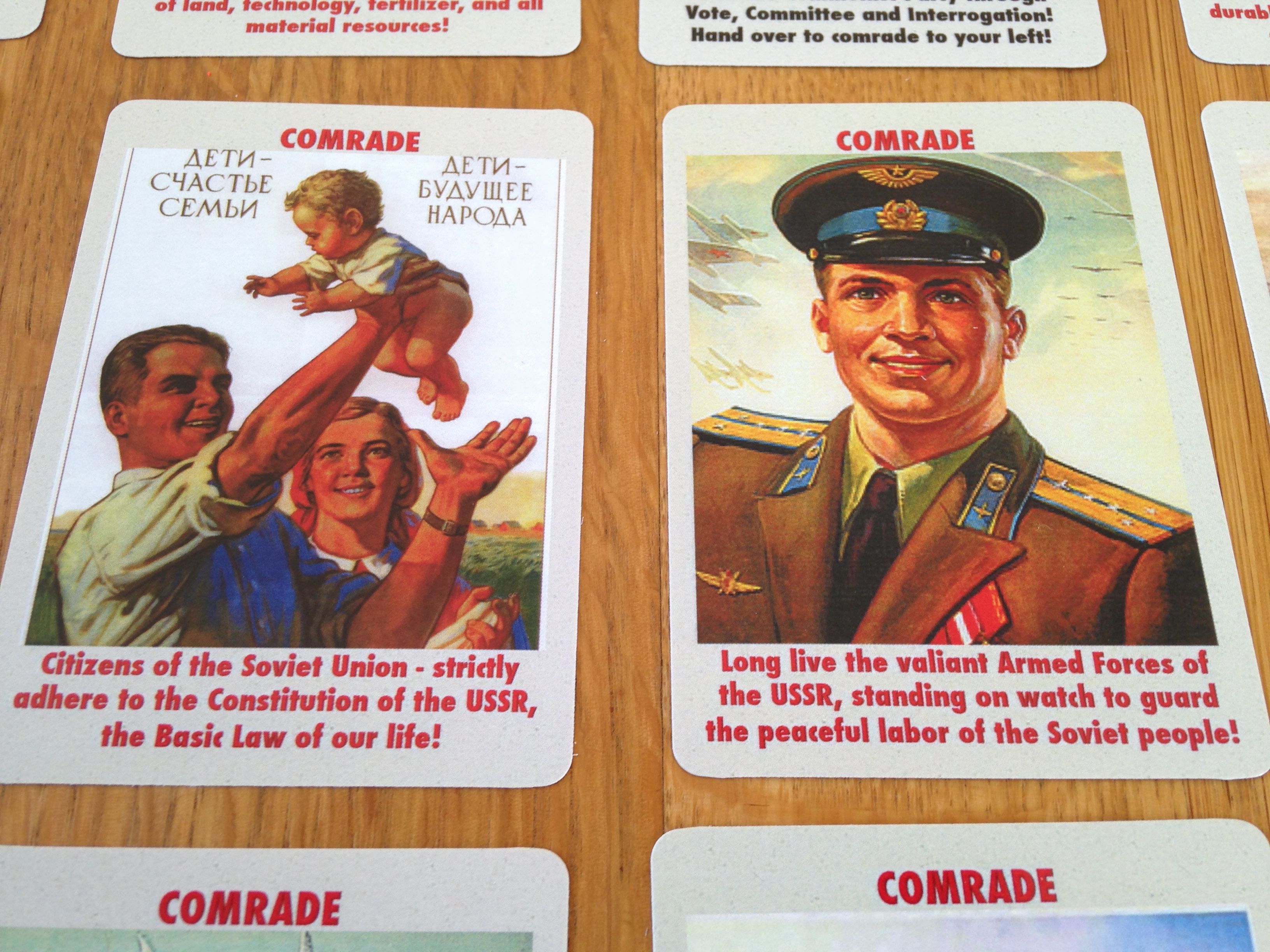
Old blog posts may be found here:
|
Please leave a comment on the games or contact me directly at nicholas.hjelmberg@gmail.com. |
 22 February Nova Suecia Games
celebrated its eighth birthday.
22 February Nova Suecia Games
celebrated its eighth birthday.