 |
Home | Game | Rules | Theme | Strategy | FAQ |  |





















|
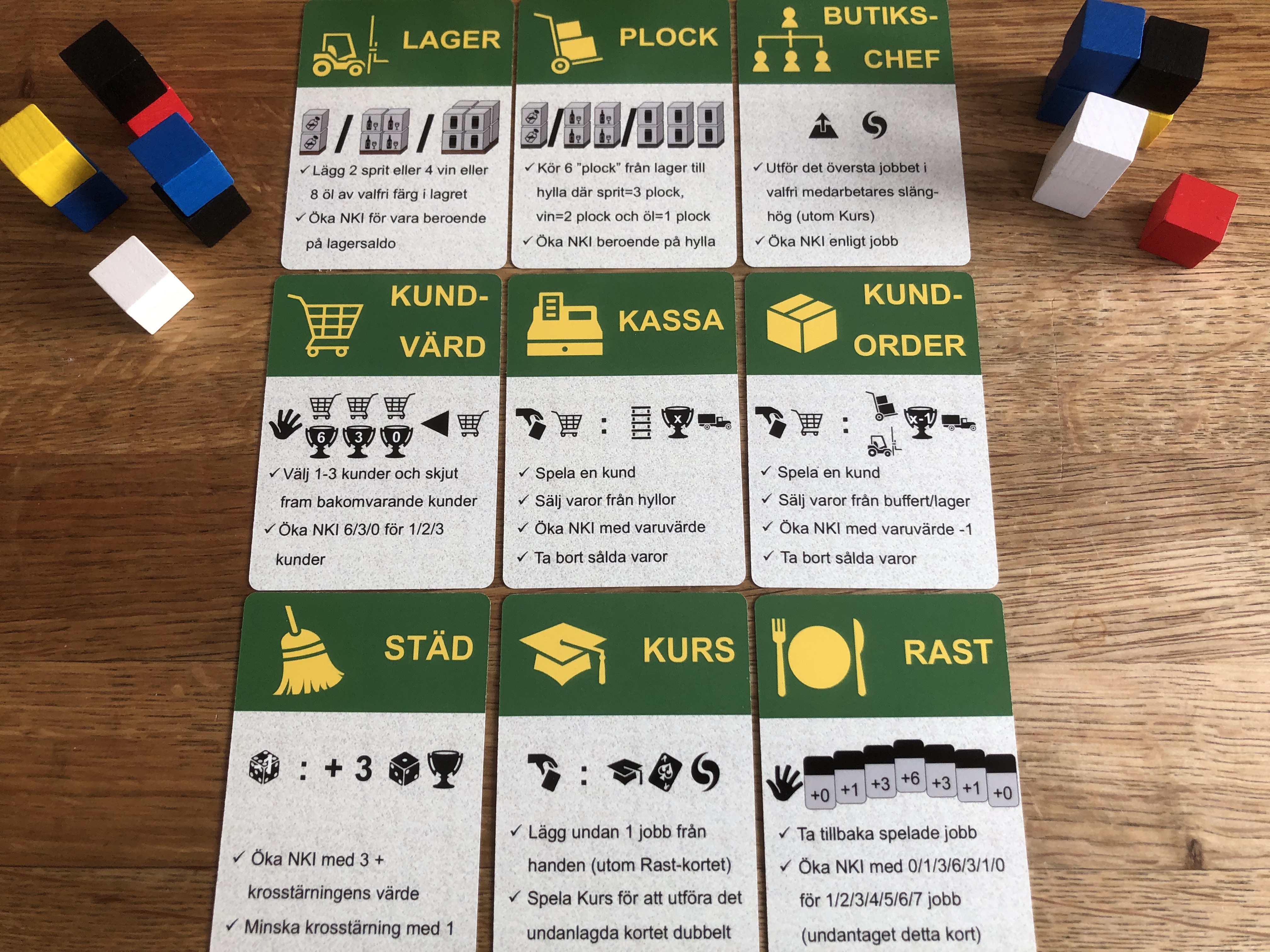
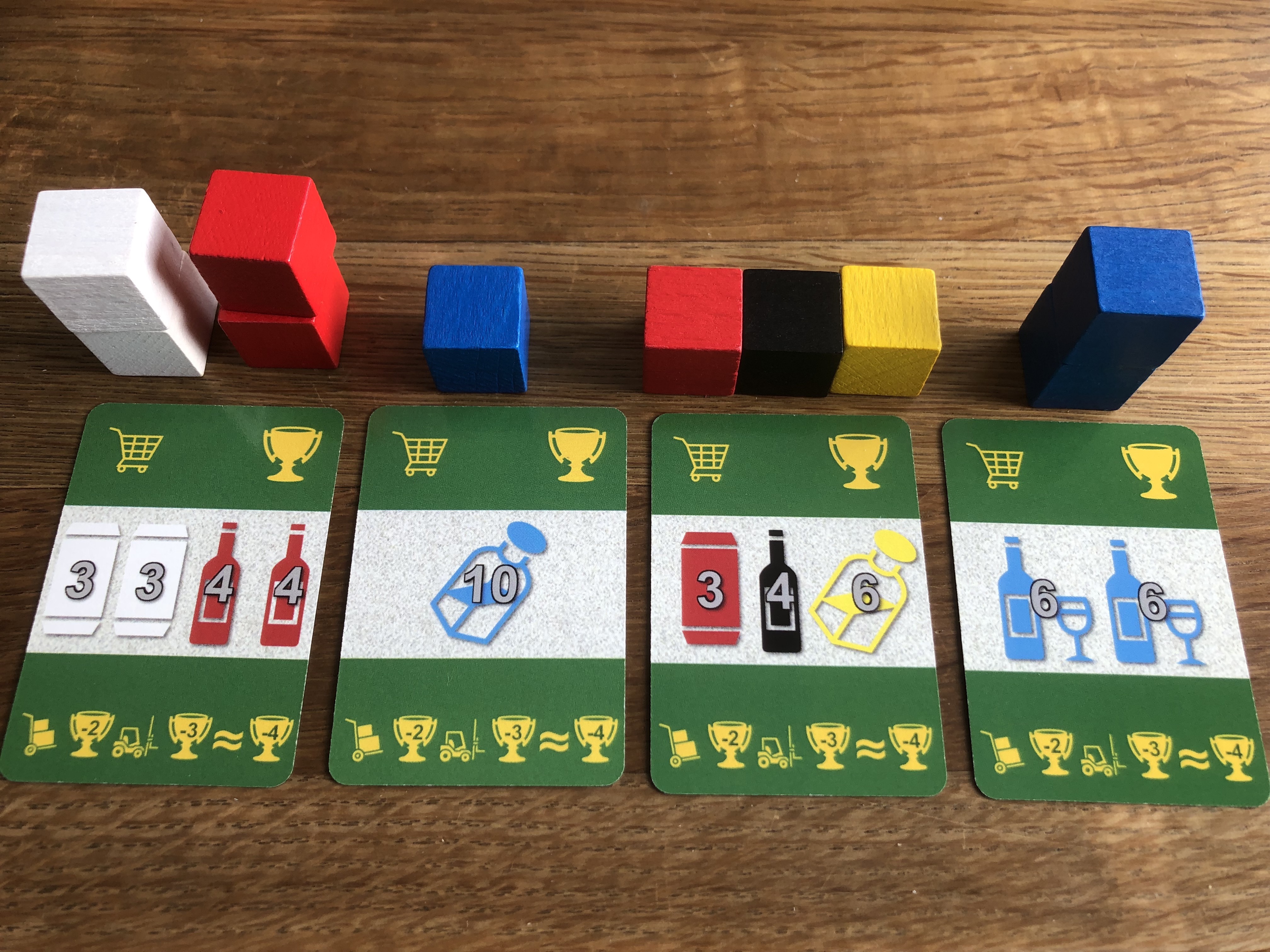
Game designThe ideaOn Shelf was inspired by a week's practice work at a Systembolaget store. As a game designer, I couldn't help thinking about the "game challenge" of ensuring that the right items are at the right place at the right time. As often is the case, the best way to tell was to design such a game. I started by drafting the different parts of the item flow in a store, from receiving the items to getting them out to the shelves and sold in the checkouts. The handling of the items was inspired by the tactile handling of building blocks in Imhotep so I quickly moved on to the game board to draft the item spaces. For a while I considered using all seven item types of Systembolaget (beer, red wine, rosé wine, white wine, cider, spirits, and alcohol free beverages), six colors, and the option to stack items in up to three levels. Some Excel simulations convinced me that three item types, five colors, and a stack level of two would be more suitable to keep the numbers manageable. The initial idea also built on Imhotep and the mechanic whereby players try to freeride on each other and have their cubes moved by their opponents. This should be accomplished by placing ordered cubes in a way that "own" cubes would have to be moved to the shelves first. Those would then be matched with the players' customer cards and the better the match, the higher the score. This was a good start but what kind of action mechanic would be best for such a game? Free actions in turn order? Worker placement? Action points? Action cards? I finally decided that the latter would suit the theme best, as it would force the players to apply job rotation. The obvious inspiration here was Concordia, particularly the action cards Diplomat (translated to Supervisor to allow critical actions to be copied and used an extra time) and Tribune (to spend an action to retrieve the cards). The actual jobs in a store served as inspiration for the rest of the cards. With the foundation of a game completed, I moved on the game board. Each part of the item flow needed an action space and each such space needed item spaces. Naturally, the actual store I worked in served as an inspiration. Similar to that store, the customers take a counterclockwise walk past the wine shelves, then the beer shelves and finally the spirits shelves before exiting via the checkouts. Even the stock is placed at the right position. Having reached this far, the game started to design itself. The scoring track was turned into a Customer Satisfaction Index track after the main key performance indicator of Systembolaget. An unused space of the board was filled with a turn track in the shape of a clock and a calendar, which would later inspire hourly and daily events. Another unused space was used for a similar item wheel to allow items to be replaced by each other. A third unused space was turned into a scrubber for the additional Janitor action. Even the empty space in the middle found a good use as placeholder for the customer cards. The rest of the process was the standard testing and tuning to answer the final balance questions. How many items should there be to get a good balance between filled and empty shelves? (Shelves are rarely completely empty at Systembolaget but this would make an uninteresting game.) How and how much should the different actions be rewarded? (I settled for a span of 6-12 victory points and added rewards/penalties for filling and emptying shelves to make every action valuable.) How many free checkout actions would there be to make it challenging but not impossible to match items with customer cards in the end? The result was a game which I hope will be of interest both to store employees and to gamers.
Game components
|
Annotated gamesIf you like those game mechanisms, I can also recommend: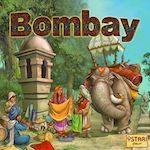
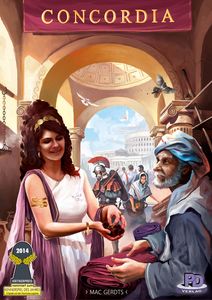
|