Home Game Rules Theme Strategy FAQ


The Swedish Empire

Suecia covers the years up to the Swedish Empire, in which earlier Nova Suecia games are set.

The four types of action cards are based on the Riksdag of the Estates, the highest authority of Sweden next to the King. It was made up of the four estates of Nobility, Clergy, Burghers and Peasants. Their first meeting took place in Uppsala in 1436 remained until its dissolution in 1866.

The actions of those action cards are linked to various historical events that formed the modern Swedish state.

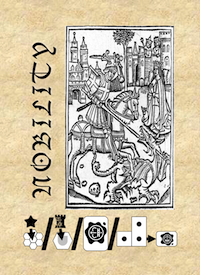
  • Nobility
    • Place province+castle: The available provinces are based on the historical provinces and the placement of castles represents the centralization of the kingdom.
    • Collect and fulfill missions: The available missions represent the economic overseas expansion (in the Baltics), the Christianization (in Finland) and the military campaigns (against Russia).
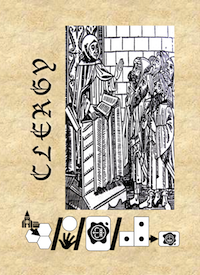
  • Clergy
    • Place church: The placement of churches represents improved productivity and taxation of the kingdom (the clergy often voted with the nobles and collected a tax of their own but did also offer some education in return).
    • Collect and fulfill missions: Similar to nobility.
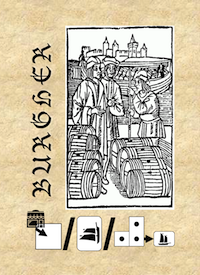
  • Burghers
    • Place shop: The shops represent the progress from barter economy to monetary economy as goods are transferred from the countryside to the growing cities.
    • Collect and trade with ships: The available ships represent Swedish trade routes across the Baltic Sea, initially with agricultural goods (such as ore to the Hansaetic League) and later with industrial goods (such as iron to England and Holland).
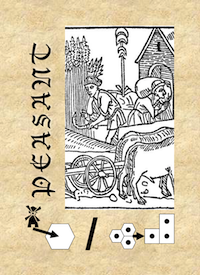
  • Peasants
    • Place farm and produce: The farms represent the agricultural and industrial progress, starting with farms for producing food and raw material and ending with manufactures for producing more advanced goods.