
 |
Home | Game | Rules | Theme | Strategy | FAQ |  |










































|
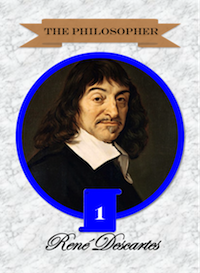
The HistoryChristina was Queen of Sweden 1633-1654. She ascended to the throne at the early age of six, following the death of her father, the Protestant champion Gustavus II Adolphus, at the battle of Lützen 1632, but surprisingly abdicated and converted to the Catholic faith. For an overview, I recommend Wikipedia and for more details the books Vi Christina med Guds Nåde by Py Sörman and Silvermasken by Peter Englund. Here I will focus on how the board game relates to the real queen. The QueenMany tried to influence the young queen had a strong will. When her father learnt that he had got a daughter instead of a son, he stated that ”she will be good, she has fooled us all.” Ambassador Chanut praised her energy and spirituality and wrote about the young Queen’s will to rule the country herself. But Christina herself said that ”nobody has known my destiny, and nobody does even today.” The FactionsThere were many people and factions around the young Queen Christina, trying to influence her with more or less success. Some of the made it to the game and those were their agendas: René DescartesRené Descartes was a French mathematician, philosopher, scientist, priest and lawyer. He was invited to the court but was troubled by the cold winters and by having to stand up early to meet the Queen. Shortly after he died from the flu but some claim that he was murdered by a Catholic missionary, fearing that his radical theological ideas would undermine Christina's conversion to Catholicism. Georg StiernhielmGeorg Stiernhielm was a Swedish poet and a civil servant. Christina appreciated his poems and he became Royal Keeper of the Archives 1649 but fell into disgrace shortly afterwards after having criticized one of the Queen's favorites. Olof RudbeckOlof Rudbeck was a Swedish scientist and historian. He was world famous for his knowledge in anatomy and also founded a botanic garden. However, he also claimed that Sweden was the home of the gods and the origin of all major peoples in the world. Gustav II Adolf
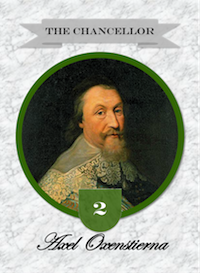
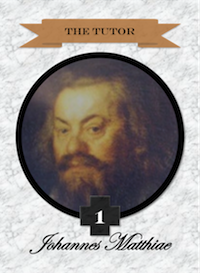
Axel OxenstiernaAxel Oxenstierna was Chancellor of Sweden and in essence the leader after the death of King Gustavus II Adolphus. When Christina reached the age of 12, Oxenstierna began to teach her politics, but as Christina assumed the power, he was more and more neglected. Later, Christina listened to his advice on foreign affairs but the Chancellor never regained his old influence. Johan Adler SalviusAs a move against Oxenstierna's influence, Queen Christina appointed Johan Adler Salvius, a noble of low birth, to Privy Council 1648. Together with Oxenstierna's son Johan, he represented Sweden at the peace negotiations after the Thirty Years' War. Johannes Matthiæ GothusJohannes Matthiæ Gothus was the court priest and teacher. He worked for an atonement between the Churches and opened the young Queen's eyes for alternative views, although he claimed on his death bed that he always had meant to teach Christina the true Protestant faith. Paolo CasatiPaolo Casati was an Italien Jesuit, who together with Malines was sent to the Queen in 1652 to gauge the sincerity of her intention to become Catholic. Don Antonio PimentelAntonio Pimentel was a Spanish ambassador in Sweden. His task was to monitor the Queen's marriage plans but he was informed of her plans to abdicate and convert to the Catholic faith and helped her to obtain support from the Spanish King Filip IV. Magnus Gabriel De la GardieChristina had several favorites. The first and most rumored of the was the military officer Magnus Gabriel De la Gardie, of whom it was told that he had an affair with the Queen. He received many favors but was later subjected to a defamation campaign and was banished from court 1653. Fredrik Vilhelm
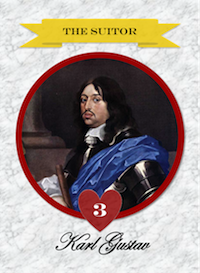
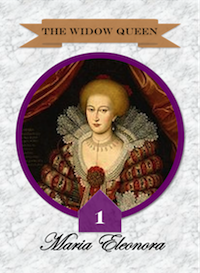
Karl GustavThe Estates pressed Queen Christina to marry and secure the succession but no man ever won her heart. Her cousin, Karl Gustav, fought hard for it but was finally rejected. However, Christina did appoint him as her successor. Maria Eleonora of BrandenburgChristina had a bad relation with her mother, Maria Eleonora, and welcomed the council’s decision to banish the widow queen. Ebba LewenhauptEbba Lewenhaupt was one of several tutors to Queen Christina. The young Queen was given several tutors so that she wouldn't get attached to any of them (and she didn't either). Ebba SparreEbba Sparre was Christina’s closest female friend. Some claim that they were more friends but no evidence support this claim. |
|