
 |
Home | Game | Rules | Theme | Strategy | FAQ |  |













































|
ThemeFor the theme, there were plenty of sources to dig from and several details in the game allude to them. First of all, there is the whole Who Dunnit genre, where a country-side mansion populated by masters and servants, all with their secrets, often form the setting. The major representant for this genre is of course Agatha Christie, who needs no further introduction. She's also making an appearance in the game as one of the characters, "Aunt Agatha". But Aunt Agatha also alludes to the more humorous aspect of Mingle & Murder, namely the indomitable Aunt Agatha of P.G. Wodehouse's Jeeves and Wooster. Several of the character quotes also originate from this masterpiece, such as Aunt Agatha's " It is young men like you who make a person with the future of the race at heart despair." Other quotes are inspired by the formal and contained speech often associated with English gentlemen ("Oh dear, my dinner jacket has been penetrated by a bullet"), by English comedy ("It's nothing wrong with THAT", exclaimed by Sir Galahad in Monty Python and the Holy Grail as he's being examined by virgin nurses) or travestations of other quotes (Plutarch's "You don't need a silver fork to eat good food"). For a while, I considered basing the game's characters on the Jeeves and Wooster characters and the Inspector and the Doctor on the Sherlock Holmes characters. However, I felt that the former would infringe too much on P.G. Wodehouse's intellectual rights and the latter clash with the humorous theme. Instead, I honoured the classical murder mystery game Clue by basing the characters on colors. (The room symbols, several of them reminding of the murder weapons in Clue, is another reference.) Aunt Agatha was already a good name for the white meeple and continued with the colors and aliterations for the rest of the characters.
The use of "Speckle" for the Inspector is both an aliteration and a reference to the Sherlock Holmes adventure "The Speckled Band" while the aliteration Doctor Douglas is a reference to another great English author, Douglas Adams. The room cards, finally, convey the feeling of "filthy rich" people with several items appearing on lists of The most expensive items. |
Agatha Christie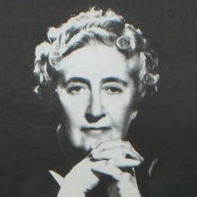
P.G. Wodehouse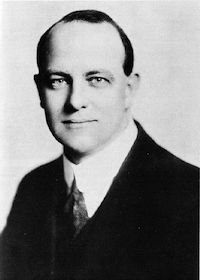
|