 |
Home | Game | Rules | Theme | Strategy | FAQ |  |










































|
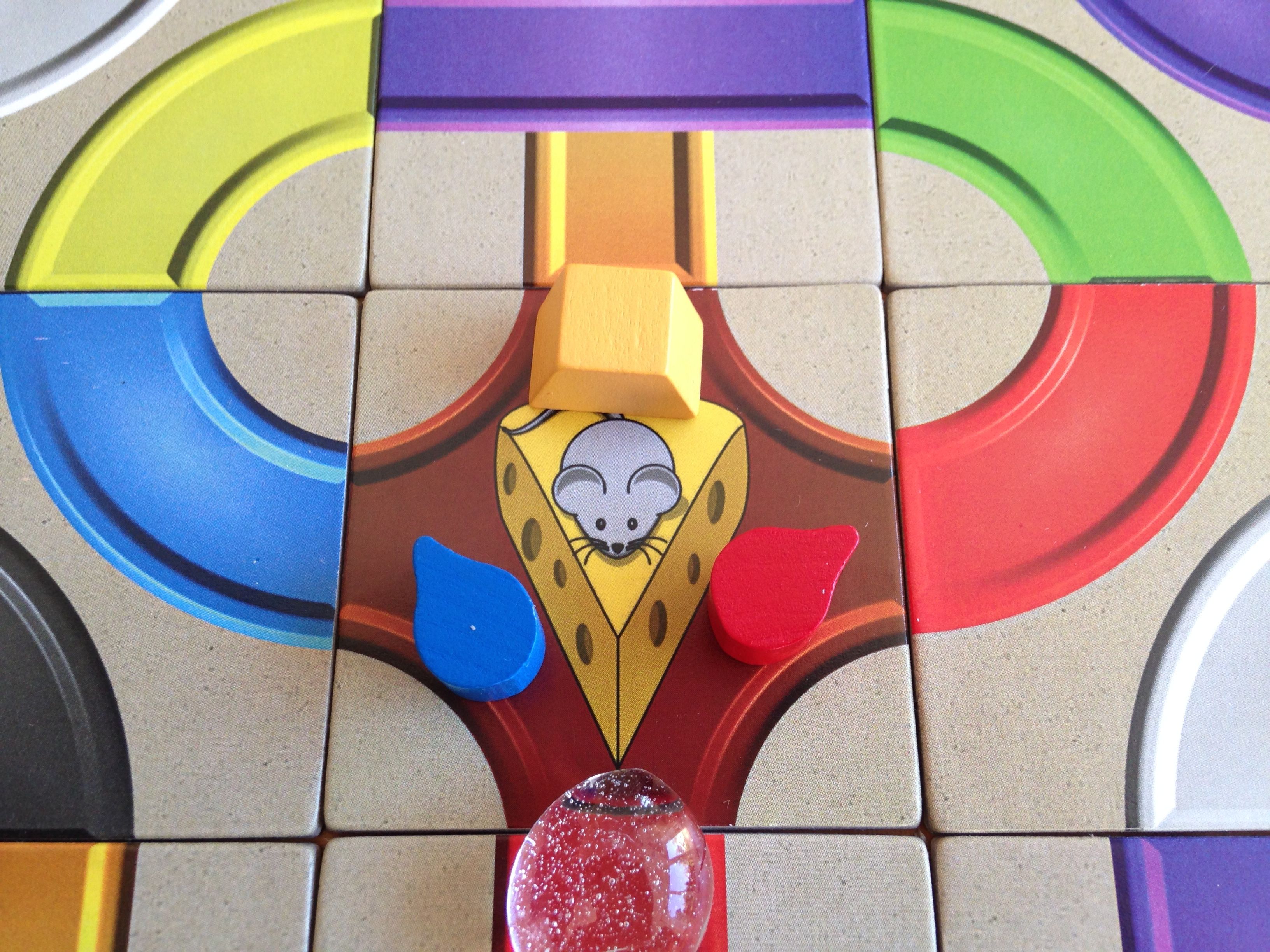
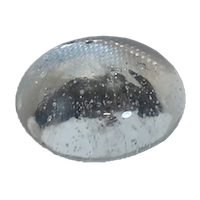
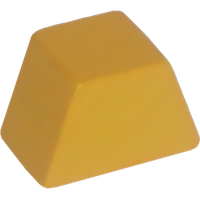
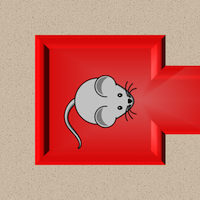
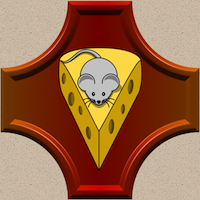
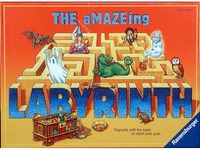
Game designI've always found mazes fascinating and even today, I enjoy a game like Drakborgen, where the players play not so much against each other as against an unpredictable labyrinth. Still, I never ventured to design such a game myself as I couldn't see how it could be distinguished from the many dungeon crawler games out there. But then I got to know Tsuro, with its brilliant and yet simple mechanism of placing a tile and move as far as you can, and the inspiration was awakened. My first idea was to make a "digger game", where you had to dig into a dragon's cave and avoid not only other diggers but also moving dangers in the mountain (not to mention the dragon itself of course). However, the game only felt like a more complicated and less fun version of Tsuro and I put my game on hold, thinking that Tsuro was the only way to implement this mechanism. Then I discovered Indigo. Indigo made one simple but brilliant modification of the Tsuro mechanism: instead of keeping your piece on the board to win, you try to get other pieces off the board and score for them. Not surprisingly, the man behind Indigo was my favorite designer Reiner Knizia. He gave me the last push I needed and somehow I came up with the idea of a changing labyrinth with plenty of take that opportunities. The theme was changed to the more unique (and humorous) laboratory mouse environment and Mice in a Maze was born. The danger of moving out of the maze is adapted from Tsuro (although with the elimination replaced by a lost turn), the objective to pick and deliver was adapted from Indigo while changeable tiles and the mobile traps were adapted from my early "Diggers" idea. Having come so far, I realized the similarities to another childhood favorite: The aMAZEing Labyrinth with its inventive sliding tiles. But what really convinced me that Mice in a Maze could be a unique game was the take that mechanism, where your actions can make not only your own mouse bring a cheese to your nest but also other mice. It took some trials and errors to get the turn order (move first, place next and don't move again until all other players have placed) and the maze tiles (just curves and crosses - no dead ends or junctions are necessary) right but once they were set, the game tests indicated that I had a smooth and solid game full of surprises. There is the marble phase, where the players struggle to get past them to the cheese. There is the block phase, where the players try to block each other to be the first themselves. Then there is the cheese phase, where the players finally have reached the cheese only to find the return difficult. There is even and endgame engine phase, where players try to end the game in a way that there is an open path between the cheese and their nests (for themselves or others) that boosts their score. There is simply a lot of game in a short and simple gameplay! The limited number of components made the artwork relatively simple. I first considered a unified color scheme but turned to uniquely colored tiles for a more colorful game board that hopefully is more appealing to younger players. Suitable parts for the other components were available at The Game Crafter's ordinary stock; drops for the mice, gems for the marbles and gold for the cheese. Once again, Openclipart provided good images, this time a cartoony mouse and cheese to illustrate some tiles, and I also found authentic mouse tracks to illustrate the rules. Welcome to the Maze! 
Game design
Game components

|
Annotated gamesIf you like those game mechanisms, I can also recommend:
|